Signs Your Home May Need an Electrical Service Panel Upgrade
Blog Overview
Your electrical panel is responsible for distributing power throughout your home safely and efficiently. However, an older or overloaded panel may struggle to keep up with modern appliances, home office equipment, electric vehicle chargers, and other everyday electrical demands. In this blog, you will learn the key warning signs that your residential electrical service panel may need an upgrade, why it matters for your family’s safety, and how to decide when to call a licensed electrician.
The Importance of Your Electrical Service Panel
Think of your electrical panel as the control center for the power supply of your house. It carries electricity to different circuits, enabling your lights, appliances, outlets, and heating or cooling systems to work safely.
The electrical needs of a home can change quite a bit over time. A panel that was perfect when your home was built may not have enough capacity to run modern appliances. Knowing the warning signs of an outdated or overburdened electrical panel can help you spot potential safety hazards before they become major issues.
Warning Signs Your Electrical Panel Needs Help
1. Frequent Tripping of Circuit Breakers
Is your circuit breaker tripping every time you run your microwave, washing machine, and air conditioner at the same time? If overloaded, circuits may trip occasionally, but if they trip often, a professional should be consulted.
Your panel may not be able to handle the electrical load of your home. A licensed electrician can tell you if you have a wiring issue or an overloaded circuit or if you need a service panel upgrade.
2. Lights flicker or dim on their own.
Dimming lights when a large appliance kicks on could mean your electrical system has a problem. Continual flickering could mean loose wiring, overloaded circuits, and other electrical issues. Do not assume the problem will be solved by an upgrade. A professional inspection will identify the cause and recommend the proper repair.
3. Your Panel Feels Hot or Makes Strange Noises
An electrical panel should not buzz, crackle, or smell of burning. Excessive heat, scorch marks, or unusual sounds may be signs of dangerous electrical faults.
If you see these warning signs, get professional help right away. If you see smoke or an active fire, call emergency services and evacuate the property. Do not remove the panel cover or perform any electrical repairs yourself.
4. You have an old electrical panel in your house.
Older panels may lack the capacity and protective features needed for modern household use. Some safety issues are also specific to some obsolete or recalled models of panels.
Your panel shouldn’t be automatically replaced based on age alone. But if you have an older model in your home, an electrician can check it for condition, safety, and whether it will meet your current electrical needs.
Modern Living Requires More Electrical Power
Homes today use more electricity than they did 10 years ago. That can increase demand for electric vehicle chargers, induction cooktops, upgraded HVAC systems, home offices, and more entertainment equipment.
For instance, a homeowner looking to install an EV charger might discover that the existing panel has insufficient available capacity. Upgrading the panel or selecting another suitable electrical solution can help safely accommodate the new equipment.
If you are doing a kitchen renovation, adding a room or doing a major home improvement project, you might want to consider upgrading your residential electrical service panel. By planning for the future, your electrical system can meet the needs of tomorrow instead of just coping with the limitations of today.
Common Issues That May Indicate Bigger Trouble
Sometimes the clues are not as obvious as a breaker tripping often. You may be using extension cords because you don’t have enough outlets, you may not be able to run two appliances at the same time, or you may have new equipment that requires electrical work your current panel can’t handle.
Such inconveniences do not always mean that the panel itself needs to be replaced. But they do give you a good reason to have your electrical system evaluated.
An upgrade that is well designed and installed can increase the available electrical capacity. It may also help improve circuit organization and modern protective devices where appropriate. This makes a system more tailored to your home’s design, appliances, and daily routines.
How to Know When an Upgrade Is the Right Choice
Here are some practical steps to consider before investing in an electrical panel upgrade:
1. Know your electrical needs: List large appliances, existing electrical issues, and planned additions such as an EV charger or new HVAC system.
2. Watch for signs of recurring problems: Look for frequent breaker trips, flickering lights, strange noises, or any visible damage to the panel.
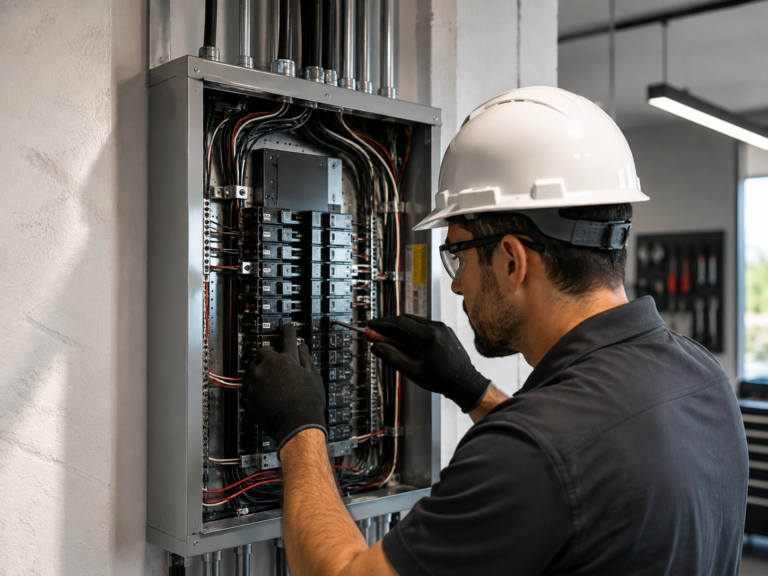
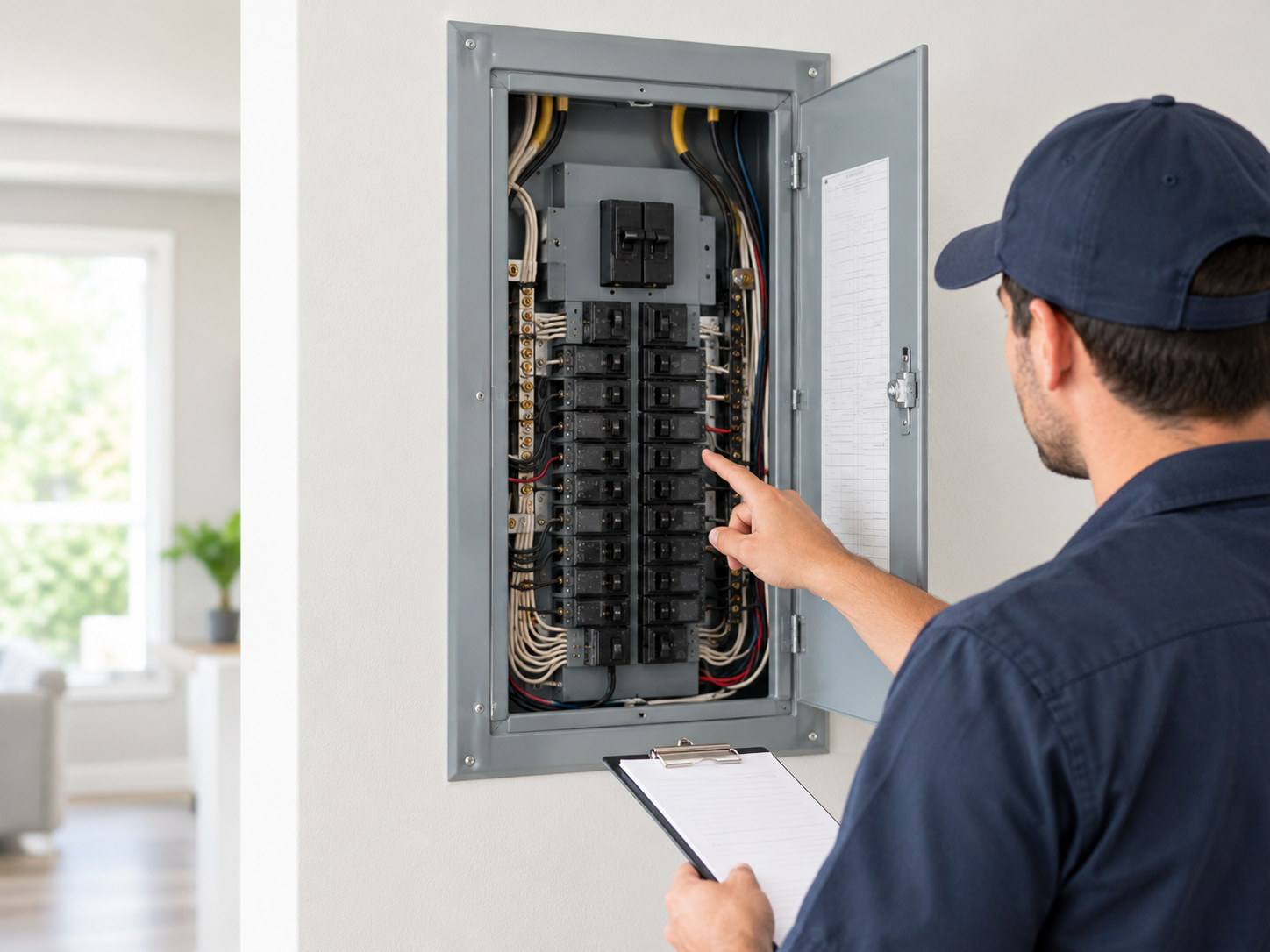
3. Have a professional inspection: A licensed electrician can assess the condition of the panel, service capacity, wiring, grounding, and relevant safety requirements.
4. Compare viable solutions: After reviewing your findings, you may need a circuit repair, a load management solution, or a complete panel replacement.
The right choice depends on your home’s electrical needs, the condition of your existing panel, and local electrical code requirements. A professional assessment ensures you don’t do work you don’t need to do and that important safety issues are dealt with.
Keep Your Home Safely and Reliably Powered
It is easy to overlook your electrical panel, but it plays an important role in keeping your home running smoothly. Frequent breaker trips, flickering lights, an outdated panel, or plans to add power-hungry appliances should prompt a professional evaluation. Do not wait until a small problem becomes a big electrical problem if your residential electrical service panel is not working right. Contact Hybrid Power Electric to discuss your electrical service options and schedule a professional assessment. The right solution can help prepare your home for today’s electrical demands while supporting safer, more reliable power for years to come.