
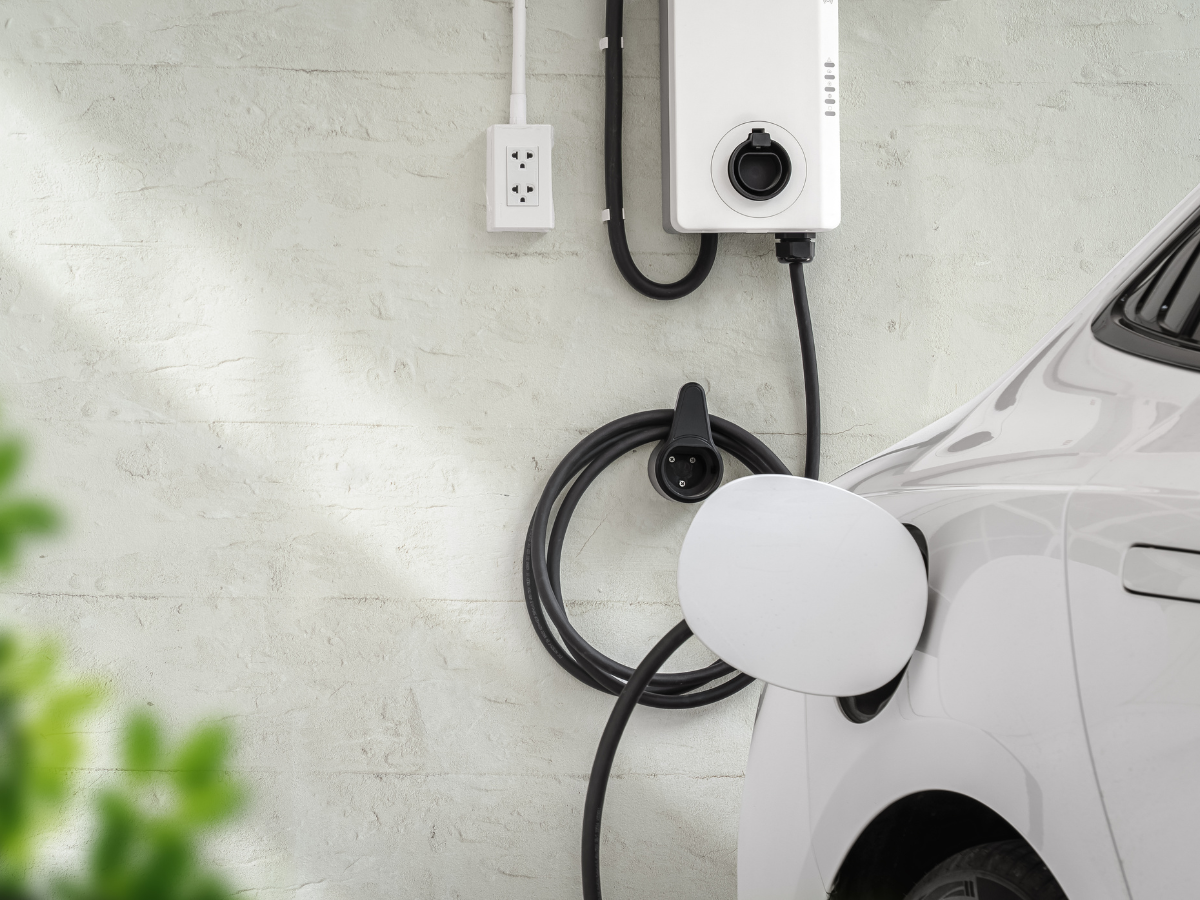
Common EV Charger Installation Mistakes and How to Avoid Them
Blog Overview
As electric vehicles continue to become a part of everyday life, more homeowners are investing in convenient home charging solutions. While installing a charger may seem straightforward, there are several factors that can impact safety, performance, and long term reliability.
In this blog, you will discover the most common mistakes homeowners make during EV charger installation, why these errors can become costly over time, and how to ensure your charging setup is safe, efficient, and ready for the future.
Why You Need To Install Your Ev Charger Correctly
Your EV charger is a fixture of your home’s electrical system. Unlike plugging in a standard appliance, EV chargers require dedicated circuits, proper load calculations and compliance with local electrical codes.
A properly performed EV charger installation translates to quicker charging, enhanced safety and reliable performance. Most importantly, it reduces the risk of electrical hazards that could damage your home and vehicle.
Common EV Charger Installation Mistakes
Wrong Charger For Your Need
Many homeowners buy a charger based on price or online reviews. However, not all chargers are compatible with all vehicles or homes.
For example, a homeowner with a long daily commute may need a higher capacity charger than a driver of short distances. Knowing your driving style before you purchase the equipment will save you upgrades and money in the future.
Neglecting electrical panel capacity
One of the most common mistakes when installing an EV charger is overlooking the electrical capacity of the home.
Many older homes aren’t built to handle the extra demand created by charging EVs. Installing a charger without evaluating the electrical panel could overload circuits and create safety problems.
A qualified electrician can inspect your system and recommend any upgrades needed before the installation starts.
Bad Charger Placement
Where you are matters more than most people think. Having the charger too far away from where the vehicle is parked is inconvenient and can mean expensive wiring extensions. However exposing it to the elements without proper protection can cut its life span.
Strategic placement enhances accessibility, convenience and overall charging efficiency.
Giving a DIY Install a Shot
Many homeowners like to do their own home improvement projects. However, EV charging equipment involves high-voltage electrical work that should be performed by trained professionals. Incorrect wiring, inadequate grounding or improper circuit protection can cause equipment damage and serious safety risks.
Failure to get required permits
Local codes usually require permits and inspections for electrical upgrades.
If you don’t meet these requirements you could be fined, have problems with insurance or when you come to sell the house down the line. Local professionals understand local requirements and assist in ensuring compliance.
A Real Life Scenario Experienced by Many Homeowners
Imagine buying a new electric car and then having a non-certified contractor install a fast charger. At first everything seems to work fine.
A few months later, the breaker trips frequently whenever the charger runs. A professional inspection reveals the electrical panel in the home was never properly inspected.
This kind of thing happens more than people think. Good planning from the beginning can save a lot of time, stress and money.
Signs It Is Time to Call a Professional
If your home is over 20 years old you may need to get your electrical system checked out before installing charging equipment.
You Don’t Know If the Charger Will Work
Each vehicle and charging system has its own requirements. Professional guidance ensures that everything fits together.
You Need a Future-Proof Configuration
Many homeowners intend to add more EVs in the future. A professional can help you design a charging solution that will fit your needs going forward.
Advantages of Professional EV Charger Installation
The benefits of having seasoned electricians are not limited to mere installation. Professional installers know how to do the proper permitting, accurate load calculations, code compliant wiring and provide expert equipment recommendations. That means less problems, more safety and peace of mind long term.
Homeowners also frequently enjoy benefits such as higher property value and better charging efficiency.
Finding the Suitable Installation Partner
Choose an installer who is licensed and has experience working with residential EV charging systems. Enquire about permits, warranties, equipment recommendations, and previous installation projects. You can also make an informed decision by reading customer reviews and asking for detailed estimates. The right professional can make the difference between a smooth installation and ongoing electrical issues.
Final Thoughts
EV home charger a wise investment but only if installed properly. Avoiding common mistakes such as poor charger selection, poor electrical planning and DIY installation can protect your home and maximise charging performance. Considering EV charger installation? Turn to experienced professionals who know residential electrical systems and today’s EV charging needs. Hybrid Power Electric is your local specialist in installation services and can help you find the safest and most efficient charging solution for your home.